

In this article
In the ever-evolving landscape of the automotive industry, one trend stands out: the fusion of cutting-edge electric vehicle (EV) technology with legacy brands. Porsche, renowned for its performance-oriented sports cars and luxury SUVs, is no exception to this trend. On August 29, 2023, Porsche unveiled its latest addition to its line-up, the 2023 Cayenne Turbo E-Hybrid PHEV, showcasing how electrification can not only preserve but also enhance performance, pushing the boundaries beyond what can be achieved by standard gas-powered vehicles in its class.
The Cayenne Turbo E-Hybrid EV: A Glimpse into the Future
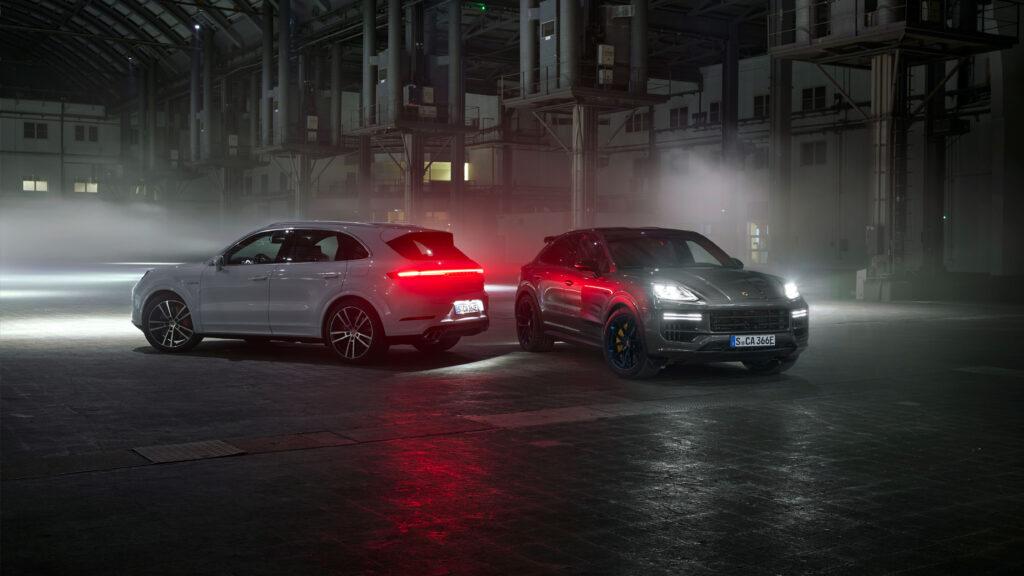
Porsche's latest offering, the Cayenne Turbo E-Hybrid, isn't just another SUV in their lineup; it's a bold statement that electrification can coexist with high-performance legacy models. This SUV powerhouse boasts a whopping 544 kW (739 PS) (739 horsepower), combining the strengths of a 4.0-liter twin-turbo V8 engine with a 130 kW (176 PS) (176 horsepower) electric motor. The result? A jaw-dropping 950 Nm (700 lb-ft) of torque and a mind-boggling 0 to 100 km/h (0 to 62 mph) sprint in just 3.7 seconds, ultimately reaching a top speed of 295 km/h (183 mph), making this the most powerful Porsche Cayenne ever.
A PHEV for the Modern Driver
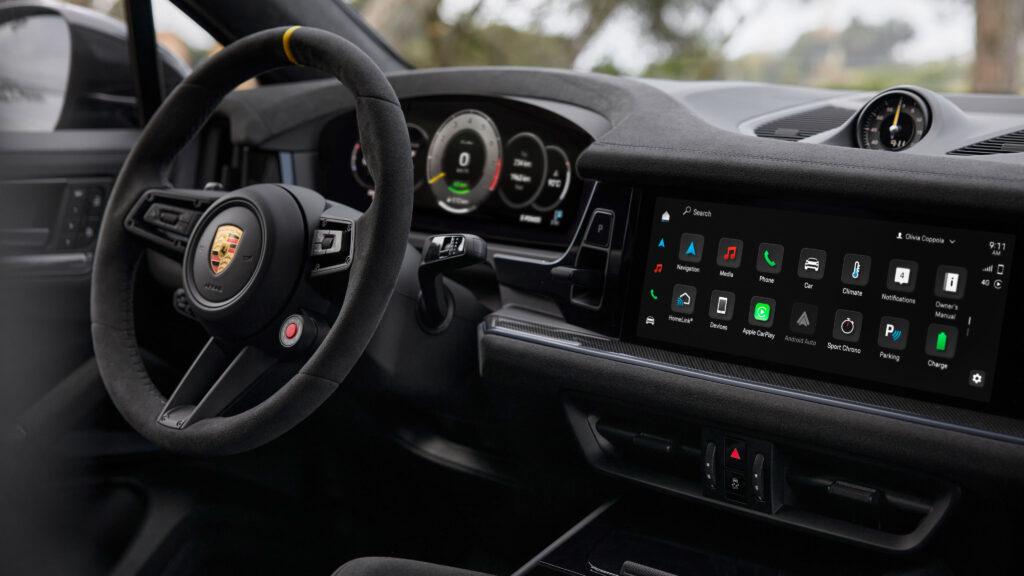
Porsche understands that modern drivers need more than just power. The Cayenne Turbo E-Hybrid isn't just a beast on the road; it's designed for day-to-day usability. Whether you're navigating city streets or cruising on the highway, this SUV offers an unmatched combination of performance and practicality. With its impressive electric range, you can confidently embrace an eco-friendly lifestyle without sacrificing the exhilarating Porsche driving experience.
Electrifying Efficiency
The Cayenne Turbo E-Hybrid PHEV doesn't just deliver on power; it's also incredibly efficient. Its plug-in hybrid technology enables an impressive electric range of up to 82 kilometers (51 miles), making it suitable for short urban commutes. Moreover, thanks to its 25.9 kWh high-voltage battery and an upgraded 11 kW on-board charger, recharging times have been significantly reduced to under two-and-a-half hours, providing greater convenience for owners.
The GT Package: Elevating Dynamics
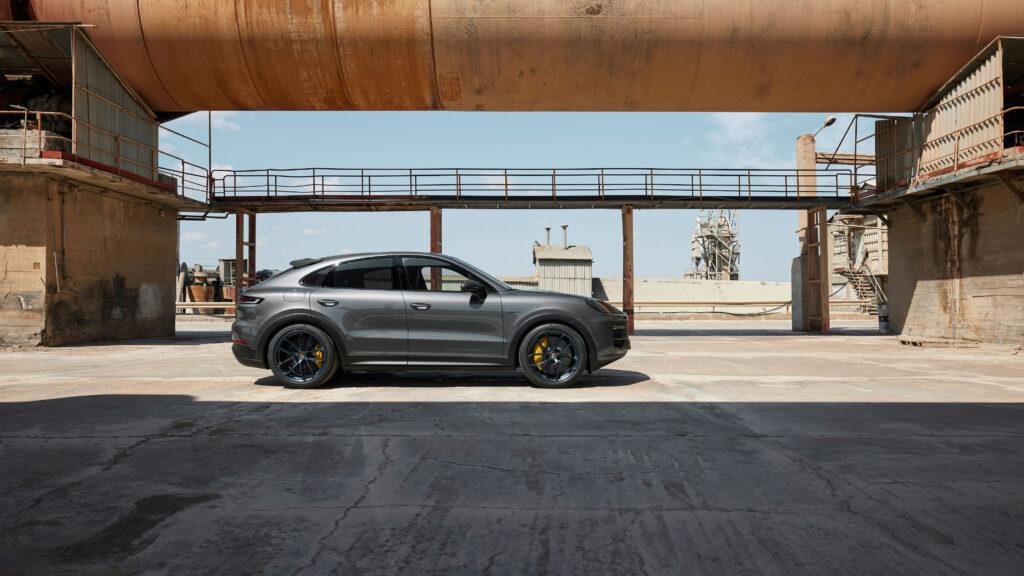
For those seeking an even more thrilling experience, Porsche offers the Cayenne Turbo E-Hybrid Coupé with the GT Package. This variant takes driving dynamics to the next level while sporting an athletic appearance that's sure to turn heads. It's the perfect embodiment of Porsche's commitment to innovation and style.
To the Future
Porsche's Cayenne Turbo E-Hybrid PHEV is more than just an SUV; it's a symbol of the exciting intersection between EV technology and legacy automotive brands. With its breathtaking power, impressive electric range, and shorter charging times, it exemplifies Porsche's dedication to the electrified future of the automotive industry. The Cayenne Turbo E-Hybrid EV isn't just a vehicle; it's a testament to the thrilling possibilities that await us as we navigate the road to a more sustainable and electrifying future in the world of automobiles.
The Cayenne Turbo E-Hybrid is now available for order in almost all Porsche sales markets. In Germany, it starts at € 176,324 (including VAT and market-specific equipment) or approximately $198,600. The Coupé version begins at € 179,775 ($202,900 USD). Additionally, for enthusiasts seeking the ultimate in performance, the Cayenne Turbo E-Hybrid with GT package is available, starting at € 208,454 (around $235,200 USD) in Germany. However, please note that the GT package availability is limited to specific markets.